
 By slip_guard_new_admin
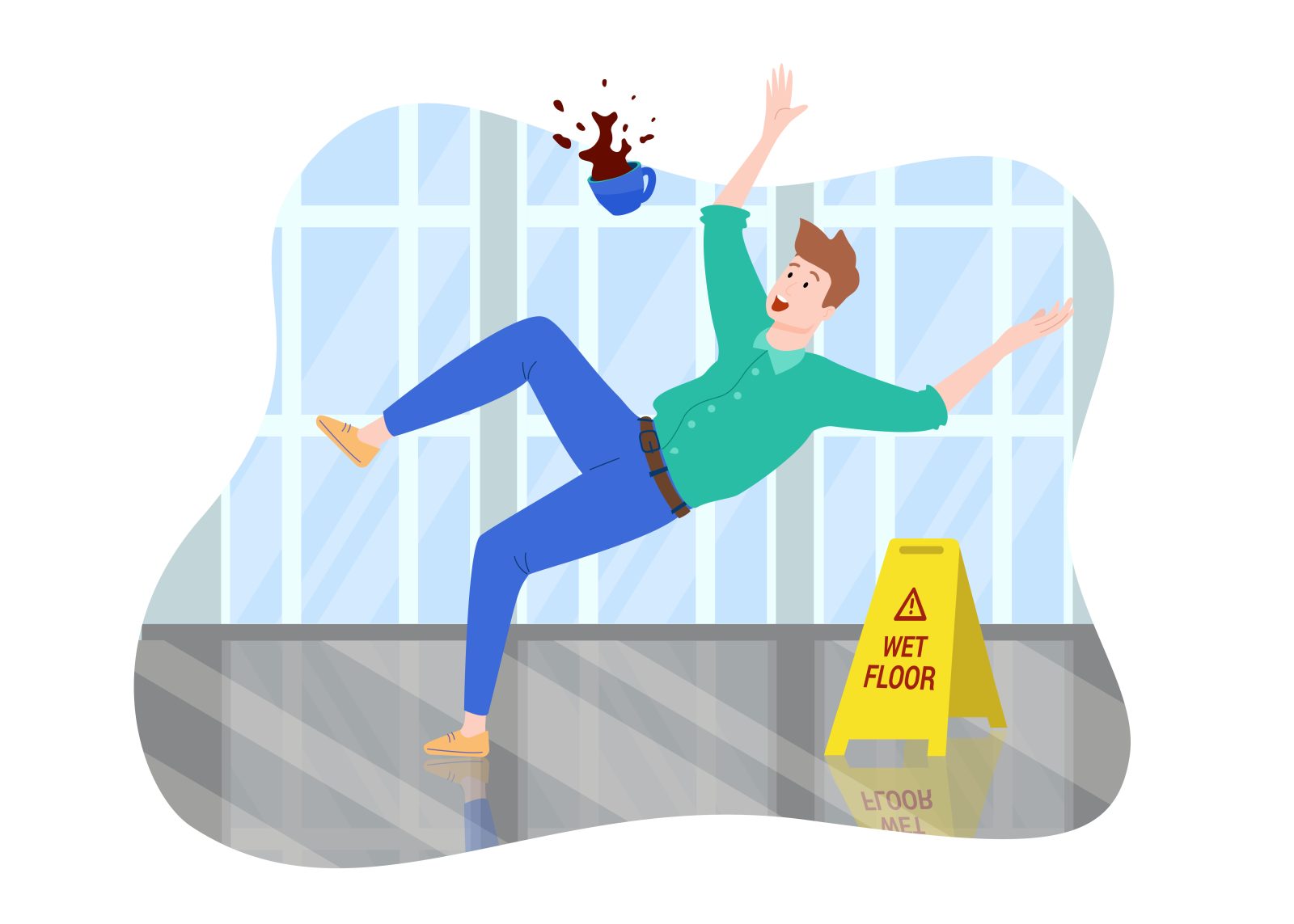
Look, we’ve all been there. You step out of the shower, and suddenly you’re doing an unplanned ice-skating routine on your bathroom floor. Slippery tiles are honestly terrifying, especially when you’ve got kids or elderly family members around. But here’s the thing – you don’t have to tear up your entire floor to fix it.
What Makes Tiles So Dangerously Slippery?
Most tiles are polished until they’re smooth as glass. Manufacturers think it looks fancy, but add some water or soap, and boom – instant danger zone. My neighbor actually broke her wrist last year slipping in her kitchen. That’s when I started really looking into this stuff.
Porcelain and ceramic tiles are the worst offenders. They look gorgeous when they’re new, but that shine comes at a price. Over time, cleaning products make them even slicker.
Real Solutions That Actually Work
Treatment Solutions That Change Everything
There’s this stuff called Anti Slip Floor & Tile Treatment Solution that’s honestly pretty amazing. It creates these tiny invisible grooves in your tiles – you can’t see them, but your feet sure can feel the difference. I tried it in my own bathroom last spring, and the change was immediate.
You basically mop it on, wait about 15 minutes, rinse, and you’re done. The whole process took me maybe an hour for my bathroom and hallway. Best part? It lasts for years. No joke – my floors still grip perfectly, and it’s been over six months.
Sometimes Simple Stuff Works Best
Rubber-backed mats are your friend. I’ve got them everywhere now – outside the shower, by the kitchen sink, near the back door. Sure, they’re not fancy, but they work. And honestly, after watching my neighbor’s accident, I’ll take function over fashion any day.
Grip Strips for Problem Areas
Those clear textured strips you stick on? Yeah, they’re visible if you look close, but nobody really notices. I put them on my stairs and in the shower, and they’ve saved me from falling more times than I’d like to admit. They cost maybe thirty bucks for a whole pack.
When You Need the Professionals
For permanent fixes, there’s etching and abrasive treatments. Professionals come in and basically roughen up your tiles just enough to create traction. It’s great for Slip Resistant Floor & Fall Risk Prevention, but definitely not a DIY job. You could mess up your tiles if you don’t know what you’re doing.
Getting Your Floors Tested
This might sound over the top, but hear me out. A Friction Testing & Issue Certificate Expert can actually measure how slippery your floors are with special equipment. They give you a number – below 0.5 means trouble.
I didn’t think I needed this until my insurance guy mentioned it might lower my premium. Turned out my kitchen was at 0.42. No wonder I was sliding around! The certificate also helps if you own a business or rent out properties.
Keeping Your Floors Safe Long-Term
Here’s what I do now, and it’s honestly become second nature:
- Wipe up spills right away (sounds obvious, I know)
- Ditch those fancy scented cleaners – they leave residue that makes things slippery
- Never use wax on tile safety surfaces
- Deep clean once a month with just hot water and vinegar
- Check high-traffic areas every few months
My tile treatment is holding up great because I actually maintain it. Most people apply something once and forget about it – that’s when problems come back.
Let’s Talk About Money
Replacing tiles? You’re looking at somewhere between $2,500 and $8,000 for an average bathroom. That’s new tiles, demo work, labor, the whole nine yards. And your bathroom’s out of commission for at least a week.
Anti-slip treatments? Maybe $600 to $1,500 for the same space. DIY grip strips? Under $200 if you do it yourself. The math isn’t even close. I saved probably five grand by treating my floors instead of replacing them.
Frequently Asked Questions
How long does this treatment stuff really last?
it’s been solid for over six months with zero touch-ups. My friend who owns a coffee shop has to redo his floors yearly because hundreds of people walk through daily. For normal home use, expect one to three years easy.
Will my tiles look different after?
Not even a little bit. I was worried about this too. The treatment works at a microscopic level – you literally cannot see any difference. The shine stays exactly the same.
What about outdoor tiles?
Even more important outside, honestly. Rain makes tiles dangerous. I treated my back patio, and it’s held up through rain, sun, everything. Just make sure you buy outdoor-rated products.
Do slip resistant tiles solutions work on every type of tile?
Pretty much, yeah. Works on ceramic, porcelain, natural stone, even sealed concrete. My kitchen has three different tile types, and the treatment worked on all of them. Check the label to be safe though.
What’s the absolute fastest fix?
If you want something more permanent but still quick, those adhesive strips take maybe an hour to apply. The chemical treatments dry in a few hours, so your floor’s safe by dinner time.
How do I know if my tiles even need fixing?
Pour some water on your floor. Walk across it in socks or bare feet. If you feel unstable or slide at all, you need better traction. Also, if you’ve caught yourself slipping even once, that’s your answer right there.
Making Your Decision
Think about what matters most to you. If you’re on a tight budget, start with mats and strips – they’re cheap and effective. Got more money to spend? Go for the professional treatment. It’s worth every penny for the peace of mind.
I went with a combination approach – treated the whole floor, then added mats in super wet areas like right outside the shower. Probably overkill, but I sleep better knowing my family’s safe.
Just Do Something About It
Every day you wait is another day someone could get hurt. My neighbor’s broken wrist happened on a random Tuesday morning. Nothing dramatic, just stepped wrong on a wet floor. Eight weeks in a cast, surgery, physical therapy – all because of slippery tiles.
The cool thing about slip resistant tiles solutions nowadays is they’re so easy to apply. No construction crew, no mess, no spending your kid’s college fund. Just safer floors that give you one less thing to worry about.
Pick your worst area first. Maybe it’s the bathroom, maybe the kitchen. Start there, see the difference, then do the rest. You’ll wonder why you waited so long.
 by
by
Leave A Comment