
 By slip_guard_new_admin
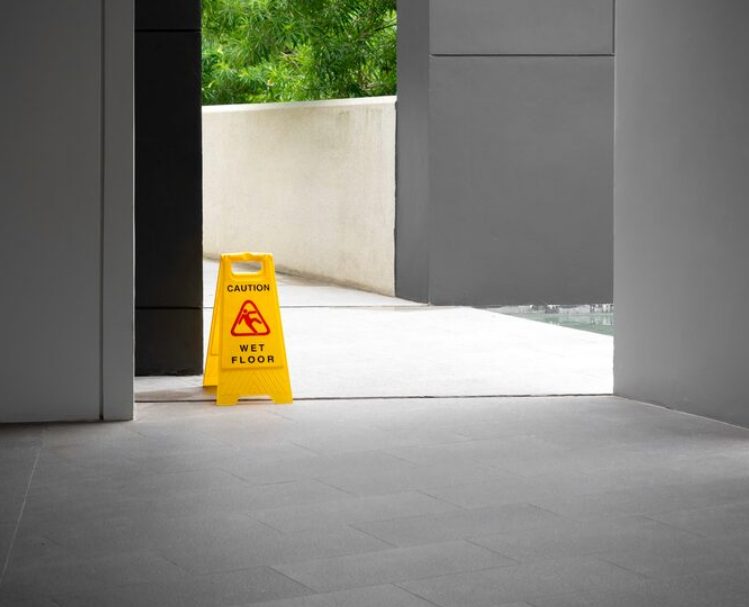
The weather can change a lot. This can make your indoor floors very slippery and dangerousYou need to know how to protect your home or office from these kinds of hazards.
Here is a complete guide to help you keep your premises safe from accidents that can happen because of the weather and indoor floor-safety.
You will learn things about how the weather affects your indoor floors and what you can do to prevent accidents.
The main idea is to make your home or office a place by taking care of your indoor floors when the weather changes.
Weather changes can be a problem for indoor floor safety.
So you need to take action to protect your premises and the people, in them from getting hurt because of floors.
This guide will show you the way to do that.
When you think about the weather you probably think about how it affects your commute the clothes you wear or your plans for the weekend. You look out the window to see if it is going to rain or check the temperature to see if it is going to be really hot. But for people who own businesses manage buildings and own homes the weather can cause problems that they do not think about until something bad happens: the safety of the floors, inside their buildings. The weather can really affect floor safety.
The change from one season to another from the hot summer to the very cold winter makes the world around us very different. This means the floors we walk on can be slippery at times. We need to make sure our floors are safe to walk on all the time. It is not about how the floors look it is, about making sure people do not slip and fall. We want everyone who walks into our place to be safe no matter what kind of shoes they are wearing.
This guide is about how different kinds of weather affect the inside of your home and what you can do to keep your floors safe all year. We will talk about weather patterns. How they influence indoor conditions and what you can do to protect your floors. The weather has an impact on our homes especially on the floors so we need to know how to keep them safe from damage.
We will look at how weather patterns like rain and snow and heat and cold affect the inside of your home. We will also talk about what you can do to keep your floors safe, from water and moisture and other things that can damage them. Floors are a part of our homes so we need to take care of them and keep them safe.
The Invisible Threat: Humidity and Condensation
The weather can affect your floors in a quiet way and that is through humidity. When it is really humid outside like during a summer in a place or on a rainy spring day the air is full of water vapor. When this warm and moist air gets into a building that is cooled down it can get to a point where it turns into dew when it touches a tile or stone floor. This happens because the warm air meets the floor and that is when the water vapor in the air turns into tiny drops of water. Weather, like this can really make your floors go through a lot because of the humidity.
The floor goes through something called sweating. This makes a layer of moisture on the floor surface. You might look at the floor. Think it is perfectly fine.. The truth is the floor is actually very slippery. This is a problem for safety. People like employees or customers can slip on the floor even when it looks completely dry. To stop this from happening you need to control the temperature and humidity, inside the building. You have to keep an eye on the humidity levels all the time. This is the way to stay safe from these kinds of hidden dangers.
The Rainy Day Dilemma: Tracked-In Moisture
Rain is really bad, for floors. When it rains a lot outside every single person who comes into your building brings water with them. Their umbrellas leak water their raincoats get wet. Drop water and the soles of their shoes track water all the way into your building. The rain is the problem here and it is what makes your floors slippery and hazardous.
The area inside an entrance is a big problem when it rains. This is because the floor gets really slippery. If the floor is made of marble or ceramic and it is not treated to deal with water it can become very slippery. Water makes the floor like ice so people can easily slip and fall. To make sure people do not slip and fall when it is raining you need to have mats at the entrance and you need to mop the floor a lot. This way the water that people bring into the building on their feet does not go far into the building. The transition zone, which is the area, inside an entrance needs special care when it is raining. You need to use quality walk-off mats and mop the floor frequently to keep the transition zone safe.
Winter Woes: Ice, Salt, and Slush
Winter is really tough on the floors inside our homes. First we have to deal with the melted snow, which’s like a thick gloopy mess. This slush is a lot worse than rainwater. Then there is the problem of ice melt and rock salt that people use to clear the sidewalks. These things are necessary to make the sidewalks safe. They are very bad for the floors, inside our homes. Winter and the ice melt and rock salt are a problem because they can damage the finish on our indoor surfaces.
Salt crystals can really hurt your tiles. They make scratches on the surface that catch more dirt and water. This makes the floor more slippery over time. When salt gets on the floor and dries it leaves a powder behind. To keep your floor safe in the winter you need to clean it in a way. This means getting rid of the salt and the rough stuff that can damage your floors grip. Salt crystals and salt residue are problems that need to be taken care of.
You have to get rid of the salt residue and the grit that salt crystals bring or it will hurt your floors natural grip. Salt residue is news, for your floor and it needs to be cleaned up right away.
Dry Spells and Dust: The Overlooked Hazard
Moisture is not the thing that causes problems. Sometimes we have spells that last a long time. When this happens fine dust and debris can build up.
On floors like polished concrete or hardwood a little bit of dust can be very slippery. It is like someone put ball bearings between your shoe and the floor. This makes it easy to slip and fall.
You should clean your floors with a dust mop. You should also make sure your air filters are clean. These are things to do to keep your floors safe all year round. Regular cleaning and maintenance of the floors and the HVAC filters are essential, for floor-safety. Floor safety is very important. We should do everything we can to prevent accidents, like regular dust mopping and cleaning the HVAC filters this way we can keep the floors safe and prevent slips and that is why floor-safety is so important and that is why we need to keep doing things like dust mopping and cleaning the HVAC filters to keep our floors safe, like polished concrete or hardwood floors.
Long-Term Structural Impact of Temperature Fluctuations
When you look at a floor there is more to think about than just what is on the surface. Big changes in temperature can make the materials that floors are made of get bigger and smaller. This happens over and over again. It can make tiles get all bulged up or it can make the stuff between the tiles crack. It can make wood get all bent out of shape. These changes can make the floor uneven. That is a problem because people can trip and fall. So it is an idea to check the floor a lot to make sure it is still okay after the seasons change. The floor needs to be safe to walk on. Floor-safety is important. It needs to be checked regularly to make sure the floor is still, in good shape.
Professional Solutions for Ultimate Peace of Mind
Understanding the risks of accidents is the step but taking action to prevent accidents is what really helps. A lot of property managers use do it yourself solutions that only work for a while. To really deal with the challenges of the environment property managers need help from people who know what they are doing with accidents and the environment.
At Slip-Guard we figure out the dangers that can hurt people before someone gets injured. We are experts at testing how slippery floors are. We give you the facts you need to know how your floors will do in different situations. We do not just make guesses we actually measure how slippery the floors are, which is called the Coefficient of Friction to make sure your building is safe for everyone, at Slip-Guard.
If your floors are not good enough we can help with our Anti Slip Floor & Tile Treatment Solution. This solution is really good, at what it does. It makes your tiles less slippery by working on the details that you cannot see. So even when it is raining or snowing or really humid outside your Anti-Slip Floor & Tile Treatment Solution will keep your floors safe. Your floor-safety will always be okay because of the Anti-Slip Floor & Tile Treatment Solution.
Creating a Culture of Safety
Floor safety is something that we need to think about all the time. It requires:paying attention to the floorsmaking sure the floors are safe to walk on
Floor safety is a deal and we need to keep working on it to make sure the floors are safe, for everyone who walks on them. We have to remember that floor-safety is very important and it is something that we need to do every day to keep people from getting hurt. Floor-safety is something that we have to work on all the time.
Proactive Monitoring: Keeping an eye on weather forecasts and preparing entrances in advance.
You need the equipment. This means buying heavy-duty matting systems. These systems can soak up a lot of water which’s really helpful. You want the heavy-duty matting systems to be able to absorb gallons of water. The heavy-duty matting systems are very good, at doing this.
When we talk about Correct Chemistry we are talking about using the cleaning agents. These cleaning agents should not leave a residue on the surface. They should also not make the surface slippery. This is what Correct Chemistry is about. Using cleaning agents that’re right for the job and do not leave any residue behind is very important. Correct Chemistry is important because it helps keep us safe, from slipping and falling.
Getting a Professional Certification means that Friction Testing & Issue Certificate Expert, will check and treat your floors. This is so you can be sure that your floors will be safe and good, for a time.
The weather is really powerful. It can affect the inside of your building. You need to think about this so you can keep your guests and your staff safe. You do not want anyone to slip and fall. This can be very bad, for your business. The weather and your indoor environment are connected so you need to take care of this to protect your guests, your staff and your business from accidents that can cost you a lot of money. You can take the steps to do this.
Frequently Asked Questions
1. How often should I have my indoor floors tested for slip resistance?
You should really have your indoor floors tested at once a year. This is because things like weather can change a lot and the cleaning stuff you use can build up over time. So it is an idea to have a professional come in and test your indoor floors whenever you make a big change, to how you clean them or when the weather changes a lot. This way you can be sure that your indoor floors are still safe to walk on and that they are not too slippery. You should have your floors tested by a professional to make sure they are safe.
2. Can floors that sweat be fixed for good?
You cannot change how condensation works. You can make it less of a problem. One thing you can do is make your buildings heating and cooling system better at removing moisture from the air.. The best way to make sure floors that sweat do not get slippery is to have a professional put a special treatment on them. This treatment helps the sweating floors have grip so you do not slip on them even when they are wet. Sweating floors can be a problem but with this treatment you can make them safer. Sweating floors will still get wet. With the right treatment they will not be slippery.
3. Do mats really help with floor-safety during the winter?
Yes they do help with floor-safety during the winter. You have to use the mats correctly. A walk-off mat is a thing to have. It should be long enough for a person to take least 6 to 10 steps on the mat. This way most of the water and other stuff like salt and slush will be removed from the soles of the shoes before the shoes touch your floor. This is important for floor safety, during the winter when mats can really help with floor safety.
4. Is there a difference between “slip-resistant” tiles and treated tiles?
Many tiles are sold as “slip-resistant,” but this rating is often based on the tile being clean and dry. Once weather-related moisture is introduced, that factory rating can drop significantly. Professional treatments enhance the natural grip of the tile, providing a much higher level of floor-safety in real-world, “wet” conditions compared to standard untreated tiles.
 by
by
Leave A Comment