
 By slip_guard_new_admin
Picture this: you’re rushing to get ready for work when suddenly your feet slip out from under you in the shower. In that split second, everything changes. What seemed like an ordinary morning routine transforms into a potentially dangerous situation that thousands of people face every day.
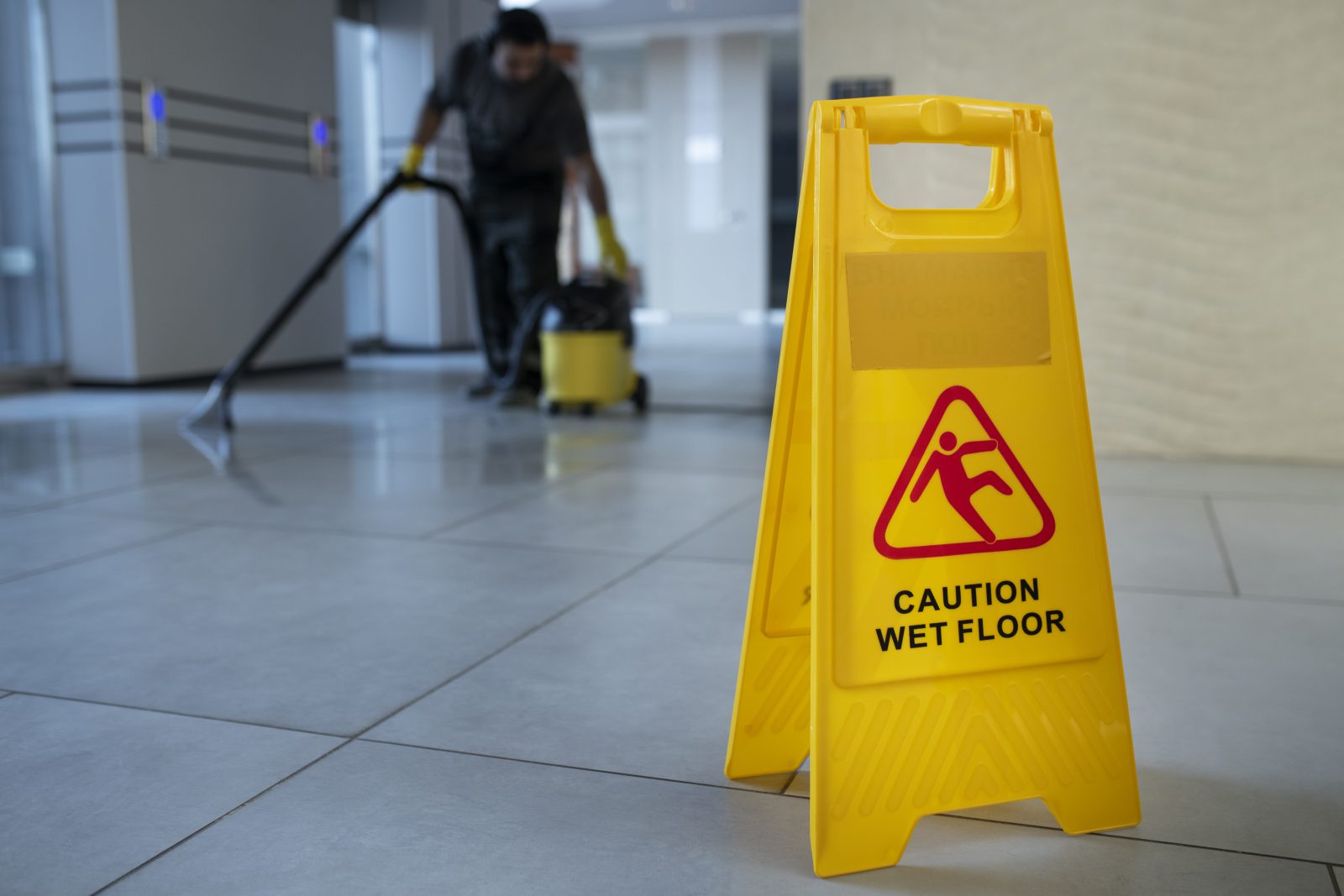
Wet floors pose serious risks in homes and businesses across the country. When water meets smooth surfaces, accidents become inevitable without proper precautions. Understanding these dangers and implementing effective slippery shower floor solutions can mean the difference between safety and serious injury.
Why Wet Floors Create Such Dangerous Conditions
Water dramatically reduces friction between your feet and floor surfaces. Even the most careful person can lose their footing when unexpected moisture appears on walkways, bathroom floors, or shower areas. The problem becomes worse with soap residue, which creates an almost ice-like surface that catches people completely off guard.
Commercial properties face additional challenges. Restaurants, hotels, hospitals, and retail stores see constant foot traffic combined with frequent cleaning and spills. Without adequate slippery shower floor solutions and other preventive measures, liability issues multiply quickly.
Our experience working with property managers shows that most slip-and-fall incidents happen during routine activities. People don’t expect to fall while walking to their car after rain or stepping out of the shower. This element of surprise often leads to more severe injuries because victims cannot brace themselves properly.
The Real Cost of Slip-and-Fall Accidents
Beyond the immediate physical pain and medical expenses, slip-and-fall accidents create ripple effects throughout families and businesses. Medical bills can reach thousands of dollars for serious injuries. Lost wages during recovery periods strain household budgets. For businesses, worker compensation claims and potential lawsuits represent significant financial risks.
We’ve seen cases where a single bathroom accident led to months of physical therapy and permanent mobility limitations. The emotional impact affects entire families as loved ones struggle with recovery and lifestyle changes.
Property owners also face indirect costs including increased insurance premiums, potential facility closures during safety inspections, and reputation damage. Smart property managers recognize that investing in non slip concrete coating and other preventive solutions costs far less than dealing with accident aftermath.
Professional Anti-Slip Treatment Solutions That Actually Work
Modern slippery shower floor solutions go far beyond basic rubber mats or temporary fixes. Professional-grade treatments create permanent texture changes that maintain effectiveness for years. These solutions work on various surfaces including ceramic tiles, natural stone, concrete, and fiberglass.
Anti Slip Floor & Tile Treatment Solution applications involve careful surface preparation followed by specialized chemical treatments that increase surface friction without changing appearance. The process typically takes just a few hours per area, making it convenient for both residential and commercial properties.
Non slip floor treatment options include:
- Chemical etching for tile and stone surfaces
- Textured coatings for concrete areas
- Specialized sealers that maintain grip when wet
- Custom solutions for high-traffic commercial zones
What sets professional treatments apart from DIY options is the precision and durability. We test every application to ensure optimal friction levels without creating surfaces that are difficult to clean or maintain.
Slip Resistant Floor & Fall Risk Prevention Strategies
Effective accident prevention requires a comprehensive approach beyond just treating surfaces. Proper lighting helps people see potential hazards before stepping on them. Adequate drainage prevents water accumulation in problem areas. Regular maintenance keeps treatments functioning at peak effectiveness.
Slippery shower floor solutions work best when combined with smart design choices. Installing grab bars, improving ventilation to reduce humidity, and ensuring proper slope for water drainage all contribute to safer bathroom environments.
For commercial properties, Fall Risk Prevention protocols should include staff training on spill response procedures, regular safety inspections, and clear emergency response plans. These measures create multiple layers of protection that significantly reduce accident probability.
The Science Behind Non Slip Concrete Coating
Understanding how anti-slip treatments work helps property owners make informed decisions. Non slip concrete coating creates microscopic texture changes that increase surface friction coefficient ratings. These changes remain effective even when surfaces become wet because water channels through the textured surface rather than creating a slippery film.
Friction Testing & Issue Certificate Expert services provide measurable proof that treatments meet safety standards. Professional testing uses calibrated equipment to measure exact friction levels before and after treatment application. This documentation proves valuable for insurance purposes and liability protection.
The coating process involves surface cleaning, proper primer application, and multiple coating layers applied under controlled conditions. Temperature and humidity during application affect final performance, which is why professional installation delivers more reliable results than DIY approaches.
Slippery Shower Floor Solutions for Different Surface Types
Different surfaces require specific treatment approaches for optimal results. Ceramic and porcelain tiles respond well to chemical etching processes that create permanent texture without damaging the tile finish. Natural stone surfaces need gentler treatments that preserve their appearance while improving safety.
Fiberglass shower surrounds present unique challenges because traditional etching can damage the surface. Specialized slippery shower floor solutions for these areas use bonding agents and textured coatings designed specifically for synthetic materials.
Older concrete shower pans often have smooth trowel finishes that become extremely dangerous when wet. Non slip concrete coating applications can transform these surfaces into safe, attractive areas that maintain their improved grip for many years.
Long-Term Maintenance and Effectiveness
Professional anti-slip treatments maintain their effectiveness for years with proper care. Regular cleaning with appropriate products preserves the textured surface while removing soap scum and mineral deposits that could reduce friction over time.
Non slip floor treatment areas should be inspected annually to ensure continued effectiveness. Heavy traffic areas may need periodic re-treatment, but most residential applications last five to ten years before requiring renewal.
Property managers find that documenting treatment dates and maintenance schedules helps with insurance requirements and liability protection. Slippery shower floor solutions with proper documentation demonstrate proactive safety management that courts and insurance companies recognize favorably.
Frequently Asked Questions
How long do anti-slip treatments last before needing replacement?
Most professional treatments last 5-10 years in residential settings and 2-5 years in high-traffic commercial areas. The lifespan depends on usage frequency, cleaning products used, and surface material. We provide specific maintenance guidelines for each installation to maximize treatment longevity.
Will anti-slip treatments change how my floors look?
Bathrooms and, more specifically, showering areas must be the first consideration. The dQuality slippery shower floor solutions maintain the original appearance while improving safety. The texture changes are typically microscopic and not visible to casual observation. Some treatments slightly reduce surface gloss, but this effect is minimal and often preferred for safety reasons.
Can I apply anti-slip treatments myself, or do I need professional installation?
While DIY products exist, professional installation delivers more reliable and longer-lasting results. Anti Slip Floor & Tile Treatment Solution applications require proper surface preparation, precise chemical mixing, and controlled application conditions. Professional installation also includes testing to verify effectiveness.
Do anti-slip treatments work on all types of floors?
Most common flooring materials can be treated effectively, including ceramic tile, natural stone, concrete, and some synthetic surfaces. Each material requires specific treatment approaches for optimal results. We evaluate each surface before recommending appropriate non slip floor treatment options.
How much do professional anti-slip treatments cost compared to potential accident expenses?
Treatment costs typically range from a few hundred to several thousand dollars depending on area size and surface complexity. This investment is minimal compared to potential medical expenses, lost wages, and liability costs from slip-and-fall accidents. Most property owners consider it essential insurance against much larger expenses.
Are anti-slip treatments safe for children and pets?
Professional treatments use materials that are safe once fully cured. The application process may require temporary area restrictions, but finished surfaces pose no health risks to family members or pets. Many treatments actually improve safety for children and elderly family members who are at higher risk for fall injuries.
Protecting your family, employees, and visitors from slip-and-fall accidents requires more than hope and caution. Professional slippery shower floor solutions and comprehensive safety strategies create environments where people can move confidently without fear of unexpected falls. The investment in proper treatment pays dividends in safety, peace of mind, and protection from costly accidents that can change lives in an instant.
 by
by
Leave A Comment